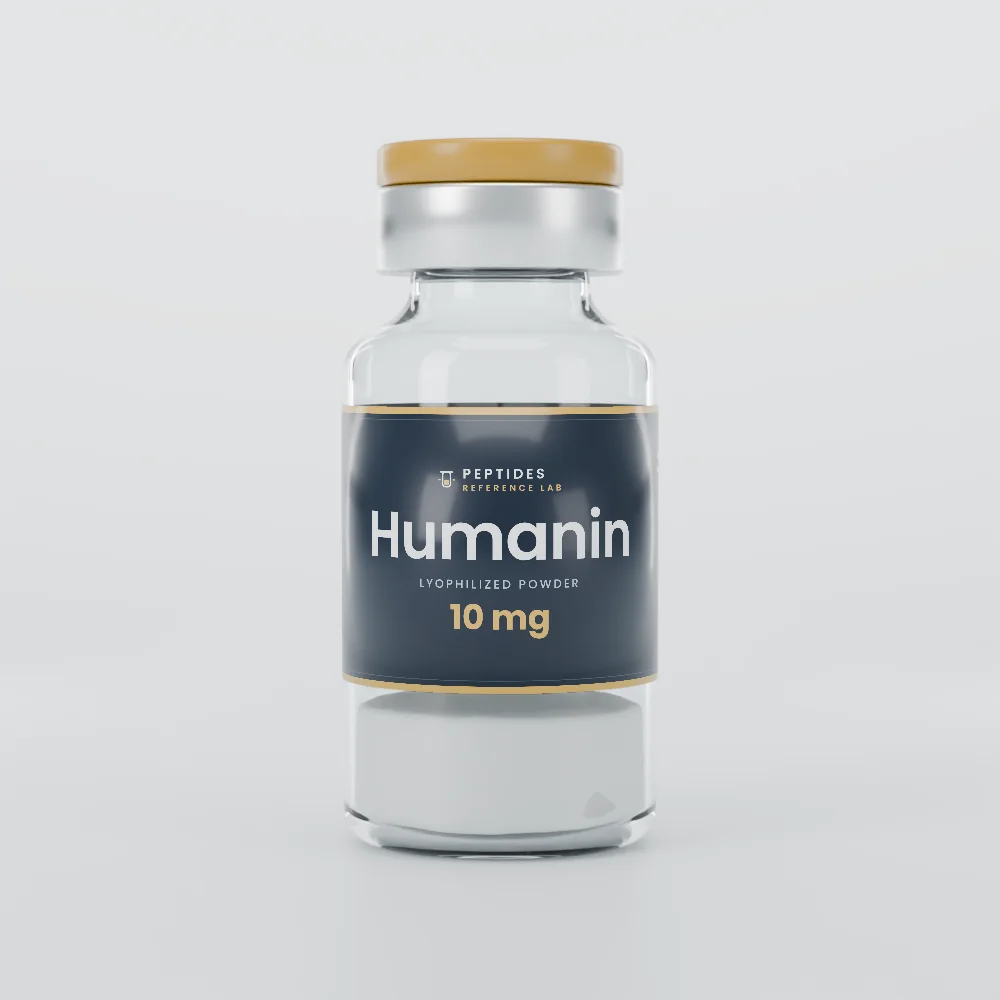
What is Humanin?
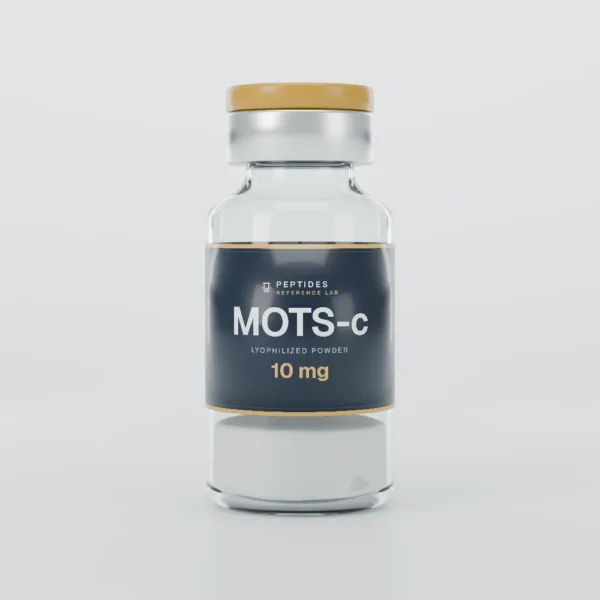
Humanin is a 24 amino acid peptide encoded in the mitochondrial 16S rRNA gene. It was the first mitochondrial derived peptide described and is studied alongside MOTS-c.
Key facts
- Compound class: Mitochondrial derived peptide
- Sequence length: 24 amino acids
- Origin: Mitochondrial 16S rRNA
- Form: Lyophilized powder
- Research area: Cellular Research
In laboratory research
Laboratory research examines its cytoprotective signaling, interaction with IGFBP-3 and the FPRL1 receptor, and its role in cellular stress resistance and metabolic models.
Related compounds
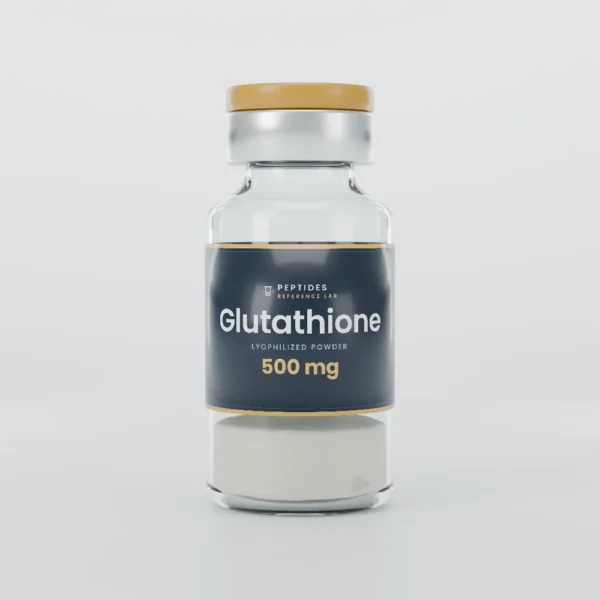
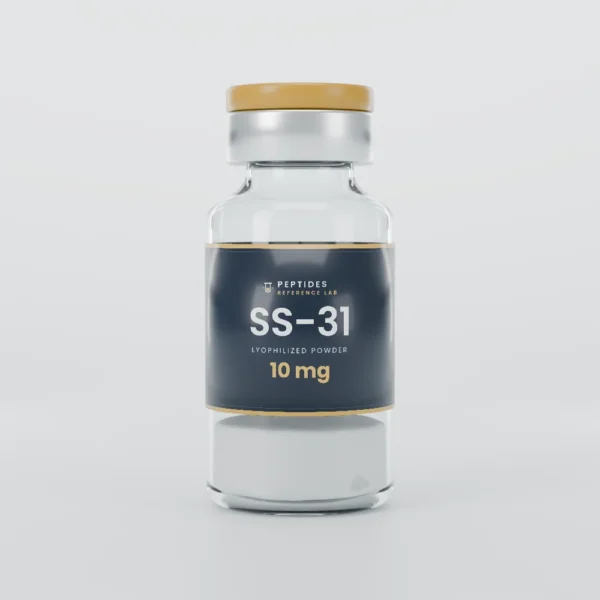
Within our cellular research collection, this peptide is most often compared with SS-31, a mitochondria targeted tetrapeptide (elamipretide), Lipo-C, a lipotropic research formula and Glutathione, a tripeptide antioxidant (gamma-Glu-Cys-Gly). Running related compounds side by side, with matched vehicle controls and the same assay conditions, makes it easier to attribute differences in a readout to the compound itself rather than to handling or batch effects.
Mitochondrial peptides, telomere and thymic peptides, and redox cofactors used in research on cellular energy, senescence and immune signaling. Each lot is supplied with documentation for laboratory records.
Choosing a size
This peptide is offered as a single 10mg vial at $149.99, which works out to about $15.00 per mg. A single size keeps batch records simple, since every vial you order comes from the same fill.
Every size ships as a lyophilized powder in a sealed vial. Reconstitute with bacteriostatic water or, where an acidic diluent is recommended, acetic acid water.
Working with it in the laboratory
Allow the sealed vial to reach room temperature before opening. Add the diluent slowly down the side of the vial, then swirl gently until the lyophilized powder has fully dissolved. Most researchers use bacteriostatic water; use acetic acid water only where the data for your compound calls for an acidic diluent.
Label the vial with the concentration, the date and the batch number, then store it as described below. For long studies, dividing the solution into single use aliquots avoids repeated freeze and thaw cycles. Our peptide research guide includes a worked example for calculating concentration.
Storage and stability
Store sealed vials at -20 °C, protected from light, for long term stability. Allow the vial to reach room temperature before opening to prevent condensation. After reconstitution, keep the solution refrigerated and avoid repeated freeze and thaw cycles.
Batch documentation
Every lot carries a batch number that links it to a certificate of analysis recording identity by mass spectrometry and purity by HPLC. Request the COA for your batch at any time, and keep it with your lab records alongside the concentration and date of reconstitution.
Research use only
This peptide is sold strictly for in vitro and preclinical laboratory research. It is not a drug, food, dietary supplement or cosmetic, it has not been approved for any human or veterinary use, and it must not be administered to people or animals. Researchers are responsible for following the rules of their institution and country. Read our full research use disclaimer.
Related research compounds
Browse all longevity and cellular research peptides or see the peptide research guide for storage and reconstitution basics.