Tissue Repair Research Peptides
Peptides studied in models of wound closure, angiogenesis, extracellular matrix remodeling and inflammatory signaling. This collection covers single compounds and pre-combined blends for laboratory comparison studies.
Showing all 7 results
-
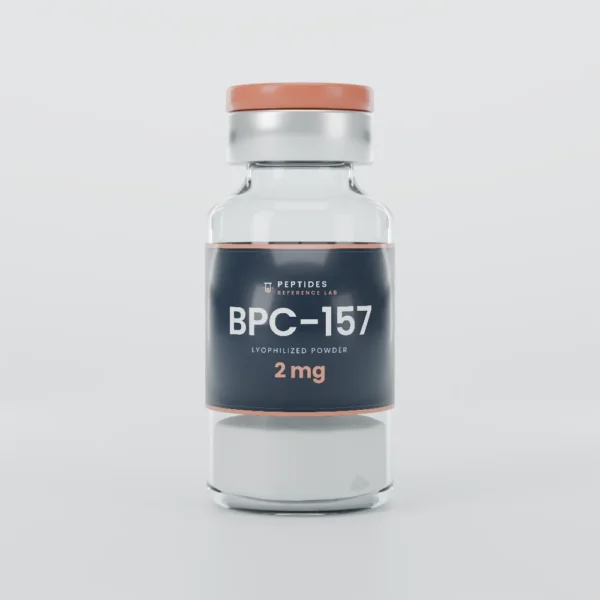 Tissue Research
BPC-157
From $39.99 2mg, 5mg, 10mgSelect size This product has multiple variants. The options may be chosen on the product page -
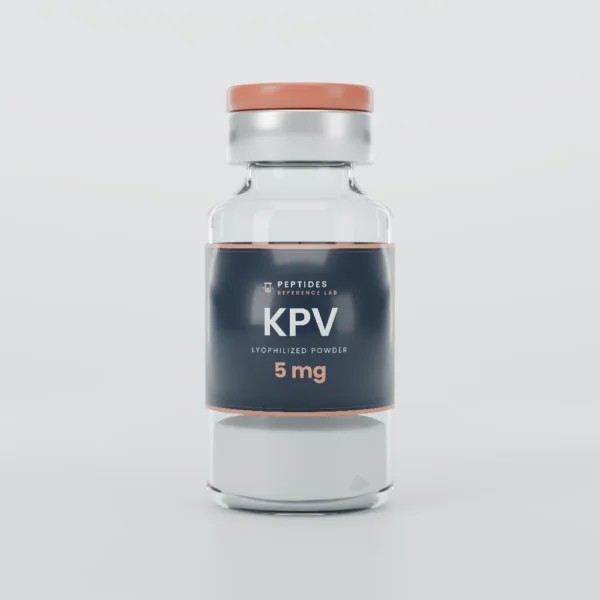 Tissue Research
KPV
From $39.99 5mg, 10mgSelect size This product has multiple variants. The options may be chosen on the product page -
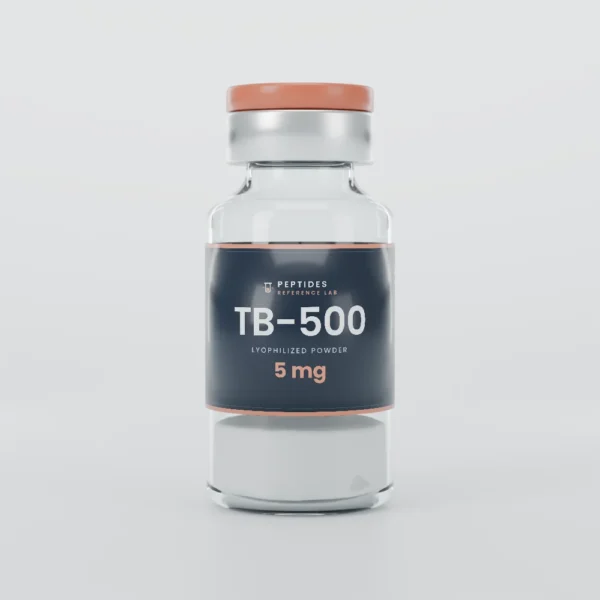 Tissue Research
TB-500
From $49.99 5mg, 10mgSelect size This product has multiple variants. The options may be chosen on the product page -
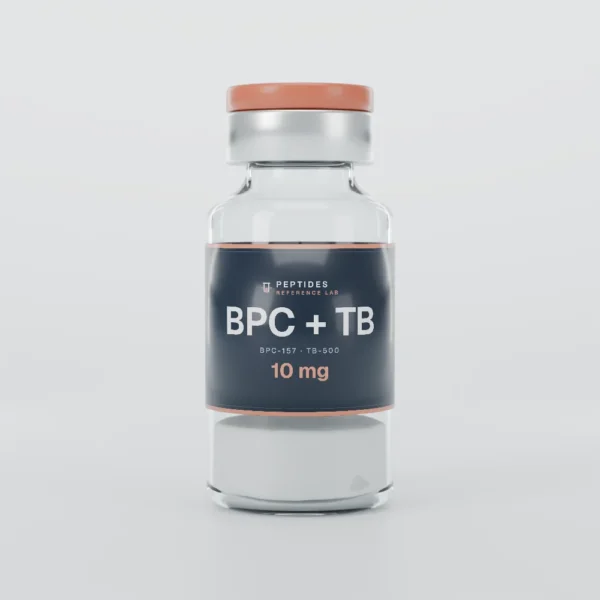 Tissue Research
BPC+TB Combo
From $49.99 10mg, 20mgSelect size This product has multiple variants. The options may be chosen on the product page -
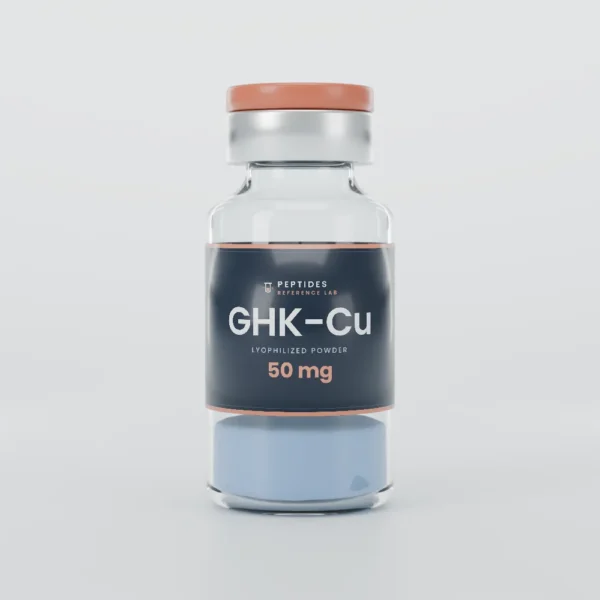 Tissue Research
GHK-Cu
From $39.99 50mg, 100mgSelect size This product has multiple variants. The options may be chosen on the product page -
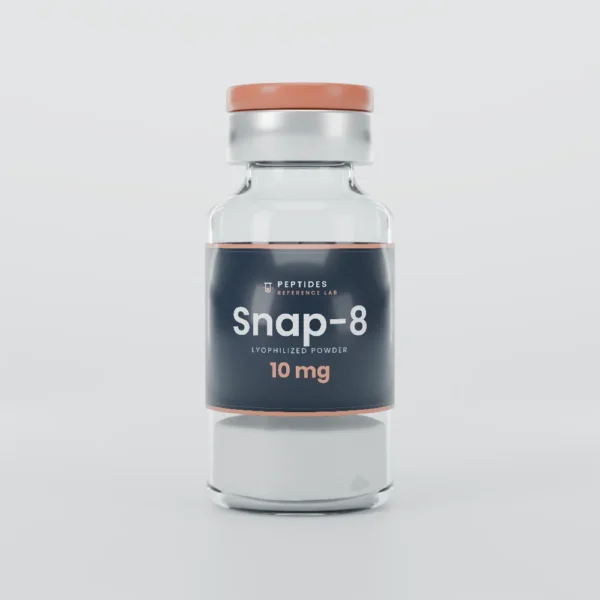 Tissue Research
Snap-8
$39.99 10mgAdd to cart -
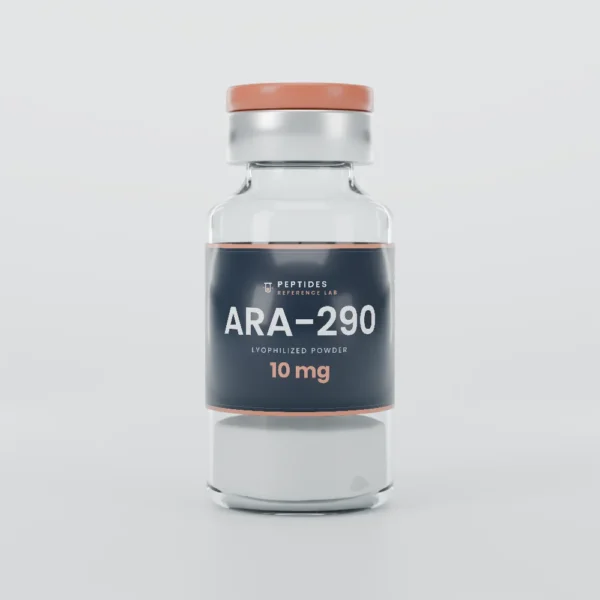 Tissue Research
ARA-290
$81.99 10mgAdd to cart
About tissue research peptides
Tissue research peptides are studied for their roles in wound closure, angiogenesis, cell migration and extracellular matrix remodeling. BPC-157 and TB-500 are the two most cited compounds in this field, and they are often examined together.
GHK-Cu, a naturally occurring copper peptide, is used in collagen and fibroblast research and in cosmetic science. KPV, the C terminal tripeptide of alpha MSH, is used where inflammatory signaling is part of the model. Snap-8 rounds out the collection for researchers studying SNARE complex formation in cosmetic science.
Single compounds or blends
The BPC+TB Combo supplies both compounds in one vial, which simplifies comparison studies. For broader designs, the GLOW and KLOW blends in the metabolic collection add GHK-Cu and KPV.
Compounds in this collection
Choosing compounds for your study
Start with the pathway or tissue you want to study, then compare the compound classes listed above. Single compounds give the cleanest readouts, while blends and bundles make combination and comparison studies easier to set up. Every product page lists the compound class, sizes, specifications and storage guidance.
Storage and documentation
Products in the tissue research collection ship lyophilized or sealed, protected from light, with a batch number on every vial. Move vials to cold storage on arrival and request the certificate of analysis for your batch through our contact page.
Common questions
Which tissue research peptide is most studied?
BPC-157 has the largest body of preclinical literature in this collection, followed by TB-500. Both are frequently studied together, which is why the BPC+TB Combo is available.
Why is GHK-Cu blue?
GHK-Cu is a copper complex. The copper(II) ion gives the lyophilized powder and its solutions a characteristic blue color.
What sizes are available?
Most tissue research peptides come in two or three vial sizes, from 2mg up to 100mg for GHK-Cu. Each product page lists its sizes and prices.
Do these products ship with a certificate of analysis?
Every vial has a batch number linked to a certificate of analysis. Send us your order and batch number and we will send the record.
How should I store products from this collection?
Store sealed lyophilized vials at -20 °C and protected from light. Move them to cold storage as soon as they arrive.