What is Semax?
Semax is a synthetic heptapeptide based on the ACTH(4-7) fragment extended with Pro-Gly-Pro. It has no hormonal adrenal activity while keeping the neuroactive properties of the parent fragment.
Key facts
- Compound class: ACTH(4-10) analog heptapeptide
- Sequence: Met-Glu-His-Phe-Pro-Gly-Pro
- Sequence length: 7 amino acids
- Form: Lyophilized powder
- Research area: Neural Research
In laboratory research
Laboratory work focuses on BDNF and TrkB expression, cerebral ischemia models, dopaminergic and serotonergic signaling and attention related behavior in rodents.
Related compounds
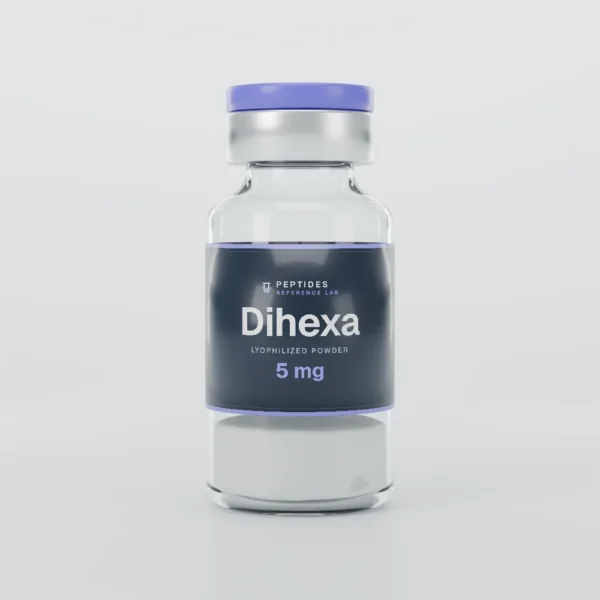
Within our neural research collection, this peptide is most often compared with Selank, a synthetic tuftsin analog heptapeptide, Cortagen, a synthetic tetrapeptide bioregulator and Dihexa, an angiotensin IV derived HGF/c-Met modulator. Running related compounds side by side, with matched vehicle controls and the same assay conditions, makes it easier to attribute differences in a readout to the compound itself rather than to handling or batch effects.
Short regulatory peptides and peptide analogs examined in neuroscience research, including studies of neurotrophic signaling, sleep architecture, stress response and receptor binding. Supplied for in vitro and preclinical laboratory use.
Choosing a size
This peptide comes in 2 sizes. Smaller vials suit pilot experiments and method development, while larger vials lower the cost per unit for longer studies and replicate runs.
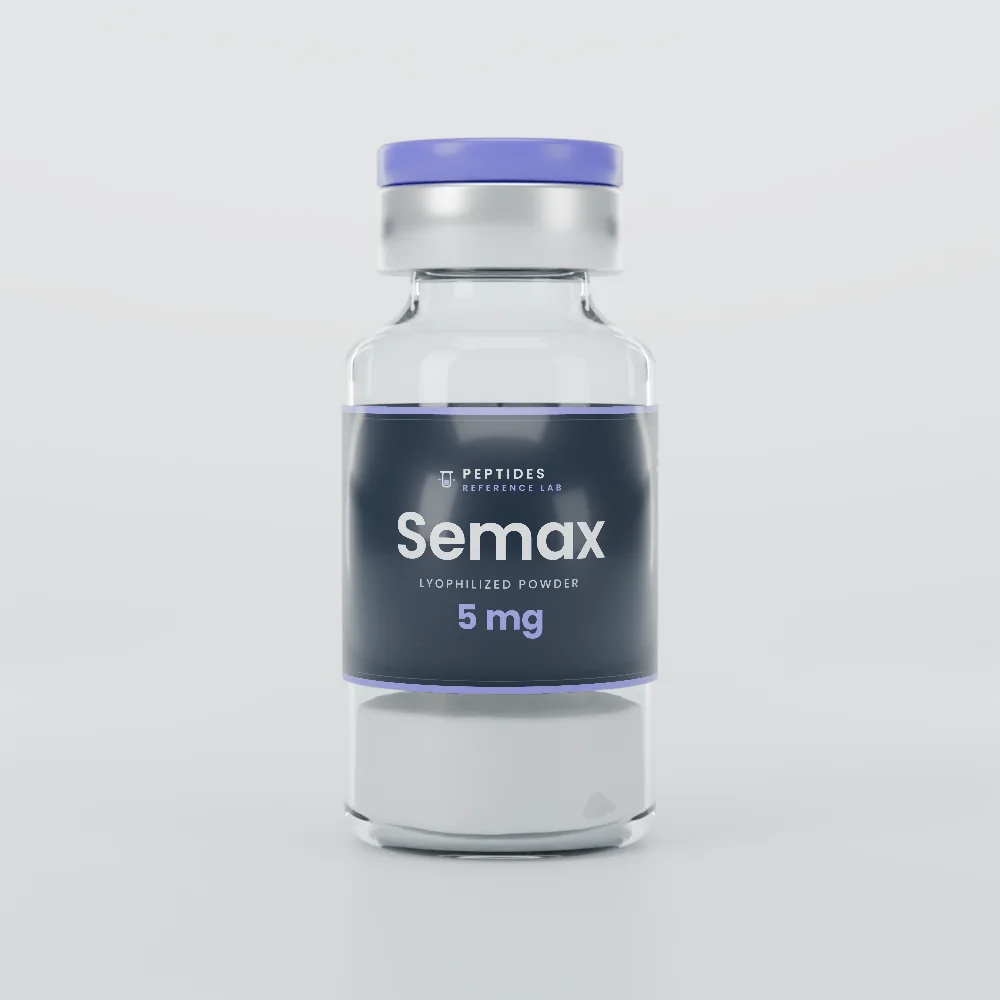
- 5mg: $33.99, about $6.80 per mg
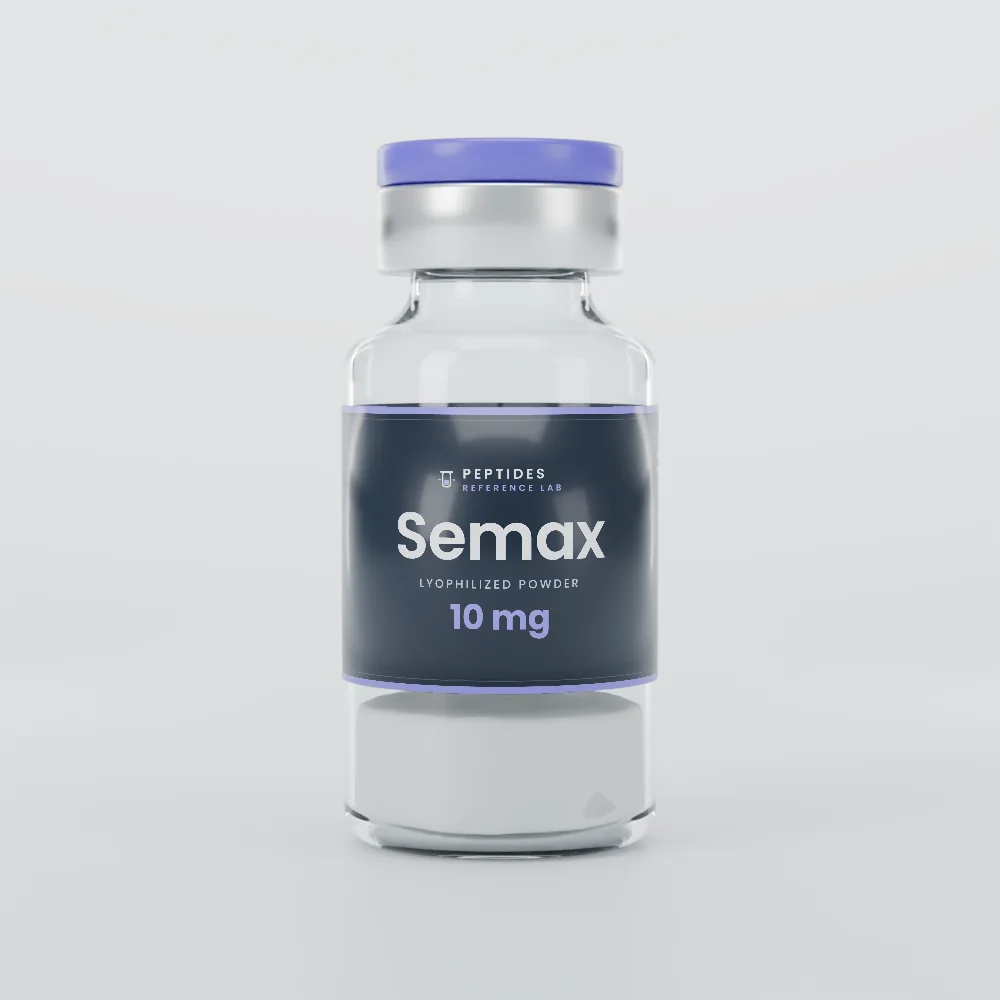
- 10mg: $39.99, about $4.00 per mg
Moving from the 5mg vial to the 10mg vial reduces the cost per mg by roughly 41 percent. If a study needs several smaller aliquots, one larger vial reconstituted and divided under your lab protocol is often the most economical option.
Every size ships as a lyophilized powder in a sealed vial. Reconstitute with bacteriostatic water or, where an acidic diluent is recommended, acetic acid water.
Working with it in the laboratory
Allow the sealed vial to reach room temperature before opening. Add the diluent slowly down the side of the vial, then swirl gently until the lyophilized powder has fully dissolved. Most researchers use bacteriostatic water; use acetic acid water only where the data for your compound calls for an acidic diluent.
Label the vial with the concentration, the date and the batch number, then store it as described below. For long studies, dividing the solution into single use aliquots avoids repeated freeze and thaw cycles. Our peptide research guide includes a worked example for calculating concentration.
Storage and stability
Store sealed vials at -20 °C, protected from light, for long term stability. Allow the vial to reach room temperature before opening to prevent condensation. After reconstitution, keep the solution refrigerated and avoid repeated freeze and thaw cycles.
Batch documentation
Every lot carries a batch number that links it to a certificate of analysis recording identity by mass spectrometry and purity by HPLC. Request the COA for your batch at any time, and keep it with your lab records alongside the concentration and date of reconstitution.
Research use only
This peptide is sold strictly for in vitro and preclinical laboratory research. It is not a drug, food, dietary supplement or cosmetic, it has not been approved for any human or veterinary use, and it must not be administered to people or animals. Researchers are responsible for following the rules of their institution and country. Read our full research use disclaimer.
Related research compounds
Browse all nootropic and neural research peptides or see the peptide research guide for storage and reconstitution basics.